
NAD+ and glutathione in Milan
Two molecules at the heart of cell biology, given intravenously. An hour in the IV Lounge, with the infusion set by the people looking after you.
An hour for you
The infusion takes about sixty to ninety minutes, in an armchair in the IV Lounge. NAD+ must be infused slowly: the rate is adjusted to how you feel.
After an assessment
The doctor decides whether the drip suits you, within a plan with tests.
Controlled rate
A slow infusion avoids the warmth NAD+ can cause.
What the NAD+ drip is
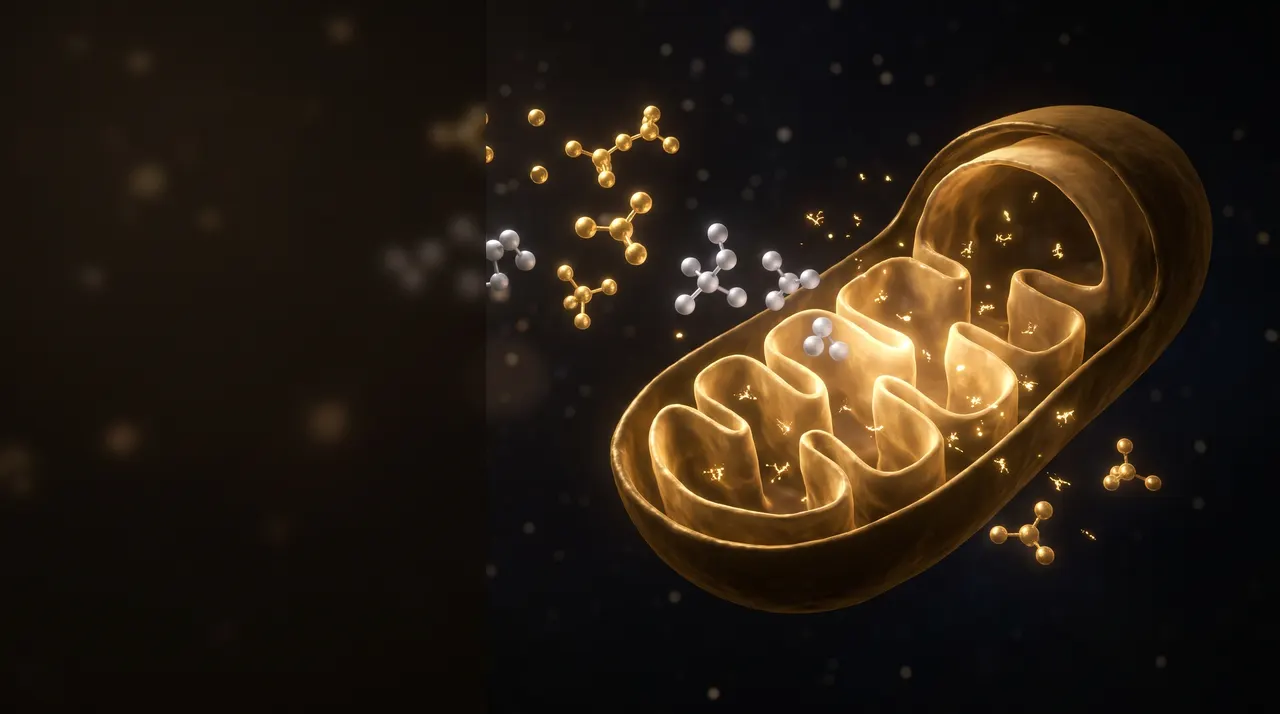
NAD+ is a coenzyme that mitochondria use to produce energy and that DNA repair enzymes consume. Glutathione is the body's main antioxidant. In the drip they arrive together, straight into the blood.
- Formula NAD+
- With glutathione, in the same drip.
- Duration 60–90min
- Slow infusion.
- Where IVLounge
- Under medical supervision.
- Downtime None
- You go straight back to your day.
NAD+ and time
NAD+ sits at the heart of cellular energy metabolism. In human tissue its levels fall with age.
NAD+ falls
In a study of human skin samples from 49 people aged zero to 77, NAD+ levels fell clearly with age, in both men and women. In the same tissue DNA damage rose and, in men, so did the activity of the enzymes that use NAD+ to repair it.
Sources: Massudi et al., PLoS One 2012 (doi)
Slow and supervised
NAD+ reaches the blood together with glutathione, the main antioxidant the body makes. The infusion is slow, between sixty and ninety minutes, and the rate is adjusted to how you feel.
At KinAura the drip is decided with the doctor, after tests, within a plan measured over time.
Your drip, calculated for you
NAD+ and glutathione are only two of the actives we use. Every infusion is personalised using KinAura Labs' proprietary software.
You start with a short set of questions on energy, sleep, lifestyle and goals, and add your blood tests if you have them. The software builds your profile across six dimensions, from oxidative stress to energy and recovery, and proposes actives and doses. The formula becomes final only after the doctor validates it.
The six dimensions
- Oxidative stress
- Energy
- Clarity
- Detox
- Aesthetics
- Recovery
NAD+ or a vitamin drip
Two infusions that differ in content and duration. The doctor chooses the one that fits your tests.
- Comparison
- Vitamin drip
- NAD+ and glutathione
- Content
- Vitamins, minerals, amino acids, antioxidants
- NAD+ and glutathione
- Duration
- 45–60 minutes
- 60–90 minutes
- Formula
- Chosen by the doctor from four goals
- One formula, dosed by the doctor
In the IV Lounge
- 01
Assessment
The doctor checks tests, medications and medical history.
- 02
IV access
A small cannula in the arm, placed by our healthcare staff.
- 03
Infusion
About an hour in an armchair. The rate is adjusted to how you feel.
- 04
After
We remove the cannula and you go straight back to your day.
How to prepare
Before the session
- Bring recent tests and the list of medications you take.
- Let us know if you are pregnant or if anything has changed since your visit.
During and after
- If you feel warmth or discomfort, tell us straight away: we slow the drip.
- You can work or read during the infusion.
- No downtime.
The drip within a plan
The NAD+ drip makes sense within a plan that starts from tests and is measured over time.
Every infusion is decided by a doctor and followed by healthcare staff. Meet the medical team
What people ask us most
If your question is not answered here, message us: our reception team will reply, and the doctor too when needed.
What is NAD+?
A coenzyme found in every cell. Mitochondria need it to produce energy and the enzymes that repair DNA use it. In human tissue its levels fall with age.
Why together with glutathione?
Glutathione is the main antioxidant the body makes. In the same infusion the doctor pairs them to work on both cellular energy and defence against oxidative stress.
How long is the drip?
About 60-90 minutes. NAD+ has to be infused slowly: the nurse sets the rate under the supervision of the doctor.
Will I feel anything during the drip?
If the infusion is too fast you may feel warmth or discomfort, which passes when the rate is slowed.
How often can I have it?
The doctor decides the frequency based on your tests and goals. It can be a single session or part of a course.
Who should not have it?
If you are pregnant or breastfeeding, have heart, kidney or liver disease or are having cancer treatment, the doctor must assess you first. If you take medications, tell us before the session.
You may also like
Featured in
The IV Lounge at Via Sant'Andrea
The first appointment starts with an assessment by the doctor, who decides whether and when the drip is right for you.
- Massudi H, Grant R, Braidy N, et al. Age-associated changes in oxidative stress and NAD+ metabolism in human tissue. PLoS One. 2012;7(7):e42357. doi:10.1371/journal.pone.0042357